

NATIONAL PROJECTS
Team: Quantum Systems
PhLAM Project Manager: Radu CHICIREANU
Partners: Université Grenoble Alpes, Communauté d'universités et établissements de Toulouse, Université de Lille, Université de Strasbourg, Université Côte d'Azur, Université Sorbonne Paris Nord, Université de Bordeaux, Université de Montpellier, Université Paris Cité, Ecole Normale Supérieure de Lyon, Ecole Centrale de Marseille, Université d'Aix-Marseille, Sorbonne Université, Institut National Polytechnique Grenoble, Université Paris Sciences et Lettres, ENSTA, Ecole Polytechnique Palaiseau, Institut Polytechnique de Paris, Université Paris-Saclay, TELECOM PARIS, Université Marie et Louis Pasteur, Université Bourgogne Europe
Abstract: QuanTEdu-France, led by the University of Grenoble Alpes, brings together a consortium of 22 academic institutions nationwide, as well as professionals in initial and continuing education, with the participation of key players from industry and innovation. QuanTEdu-France aims to meet the objectives set by the national strategy for quantum technologies as part of efforts to accelerate the development of skills and human capital.
QuanTEdu-France implements concrete initiatives ranging from pre-university to doctoral-level training, in both initial and continuing education, in partnership with stakeholders in vocational training and industry, while contributing to the digital transformation of training programs and public outreach, in order to meet the growing demand for quantum technology skills among engineers, researchers, research-teachers and professors, technicians, and managers. Indeed, the emergence of new professions encouraged by the national strategy, such as quantum engineers with PhDs, requires in-depth reflection on the teaching methods to be adopted. These methods preserve the generalist nature of disciplinary and fundamental education, while promoting interdisciplinarity, a spirit of innovation, and integration into the labor market.
QuanTEdu-France strengthens collaboration between academics, researchers, and local and national industry stakeholders. It is also essential that basic research and industry stakeholders be able to draw on expanded and enhanced strategic expertise. QuanTEdu-France therefore offers an ambitious program to fund doctoral fellowships. Beyond these initial training initiatives, the development of human capital and future talent must be supported by a continuing education program in order to double the pool of experts in quantum technologies by 2027.
Team: Quantum Systems
PhLAM Project Manager: Radu CHICIREANU
Partners: Centre de nanosciences et de nanotechnologies (C2N, CNRS / Université Paris-Saclay) ; Centre de Physique Théorique (CPHT, CNRS / Ecole Polytechnique) ; Institut de Physique de Nice (INPHYNI, CNRS / Université Côté d’Azur) ; Institut de science et d’ingénierie supramoléculaires (ISIS, CNRS / Université de Strasbourg) ; Laboratoire Charles Fabry (LCF, CNRS / Institut d’Optique Graduate School) ; Laboratoire Collisions Agrégats Réactivité (LCAR, CNRS / Université Toulouse III Paul Sabatier) ; Laboratoire de physique des lasers (LPL, CNRS / Université Sorbonne Paris Nord) ; Laboratoire Kastler Brossel (LKB, CNRS / Collège de France / ENS-PSL / Sorbonne Université) ; MajuLab, IRL CNRS, Singapour
Abstract: The Dyn1D project aims to study the dynamics of one-dimensional N-body quantum systems using analog quantum simulators. Two types of platforms will be used: ultracold atom platforms and a photonic platform.
The complexity of N-body quantum systems grows exponentially with the number of particles, making their simulation on a classical computer impractical. To address this challenge, the scientists involved in this project will perform analog quantum simulations using experimental platforms that physically replicate a given N-body quantum system.
Among these systems, one-dimensional systems are of particular interest. Not only do they exist in real materials, such as chains of magnetic spins, but they also have the exceptional property of being accurately described by theoretical models and numerical techniques in many situations, typically at equilibrium. This allows for the validation of quantum simulators before using them to explore physical phenomena that are not (yet) accessible to theory, such as non-equilibrium dynamics. This is why the teams propose to perform quantum simulations of the non-equilibrium dynamics of one-dimensional systems.
The consortium brings together the efforts of experimental and theoretical groups. It relies on six quantum simulators: five platforms using ultracold atoms and one platform based on a light fluid.
Finally, new theoretical tools will be developed to validate the simulators, but also to design numerical methods and theoretical approaches capable of overcoming the “exponential barrier” of N-body quantum physics in specific cases.
Team: MPI
PhLAM Project Manager: Roman MOTIYENKO
Partners: PhLAM, ISMO
Abstract: Amino acids are the fundamental building blocks of proteins, macromolecules essential to life. The study of complex organic molecules (COMs), including amino acids, in space is crucial to understanding the origins of life on Earth. Since the commonly accepted models that best explain the formation and abundance of observed OCMs are based on complex chemistry at the grain surface, laboratory simulations of interstellar ice analogs are essential for understanding the formation of these compounds. Rotational spectroscopy is a powerful technique for analyzing compounds in the gas phase with absolute specificity, which is essential for better understanding the chemical processes in interstellar ices. As part of this project, using the new LITE (Lille Ice Terahertz Experiment) simulation chamber coupled with a high-resolution terahertz spectrometer, we are pursuing two main objectives: (i) to study amino acid precursors to provide further insight into their links with the final reaction products in interstellar ice, and (ii) to develop a tool for characterizing the enantiomeric excess of amino acids in the gas phase based on the three-wave microwave mixing approach.
Team: MPI
PhLAM Project Manager: Michael ZISKIND
Partners: UMET (UMR8207), CREPIM
Abstract: Brominated flame retardants (BFRs) are widely used to make materials fire-resistant across various industrial sectors. Despite their effectiveness, certain BFRs pose environmental and health risks. Their persistent presence in soil, water, air, and living organisms has led to international restrictions. The major challenge remains the treatment of BFRs contained in waste electrical and electronic equipment (WEEE). To date, there is no method for their removal and the recycling of polymers derived from WEEE. The objective of this project is precisely the validation and optimization of a process for debromination of WEEE using UV irradiation. This is achieved by monitoring changes in the signature of brominated species based on the type of polymer, BFR, or irradiation duration, using analytical instruments developed within the PMI team: Laser Desorption, Mass Spectrometry, FTIR, and Raman. The ultimate goal is to implement a pilot process to decontaminate plastics and recover brominated species.
Team: MPI
PhLAM Project Manager: Cristian FOCSA
Partners: PRISM, PhLAM, CRISTAL
Abstract: A better understanding of biological mechanisms requires the collection of molecular information in its spatio-temporal context. Imaging techniques provide the spatial dimension, but only in vivo imaging techniques can provide the temporal dimension and enable dynamic studies. Mass spectrometry imaging (MSI) is a non-targeted molecular imaging technique comprising various modalities (SIMS, MALDI, DESI, etc.) that have proven their value in numerous application areas over the past 20 years, thanks in particular to improvements in instrumentation. However, not all of these modalities allow for in vivo analysis. Ion sources that operate under vacuum are inherently incompatible with in vivo analyses. To achieve in vivo mass spectrometry (MS), one must turn to ambient ionization mass spectrometry (AIMS) sources. Among the various AIMS techniques, only a few have demonstrated the ability to function in vivo, even in humans, but have not been used for imaging. The goal of DEADPOOL is to develop a new in vivo MSI modality based on Water-Assisted Laser Desorption/Ionization (WALDI-MS) technology. The WALDI-MS technique is based on the resonant excitation of endogenous water molecules in biological tissues. As a non-contact and minimally invasive method, it is well-suited for imaging applications. The project will be organized around three developments that will enable i) the imaging of samples with complex topologies via acquisition using a robotic arm, ii) the achievement of sufficient spatial resolution (at least 50 microns) through improved laser focusing, and iii) the development of real-time machine learning solutions for rapid results. All of these developments will be demonstrated and validated through a clinical application in canine patients.
Team: MPI
PhLAM Project Manager: Elodie GLOESENER
Partners: Jet Propulsion Laboratory, Laboratoire de Planétologie et Géosciences (Nantes, UMR 6112)
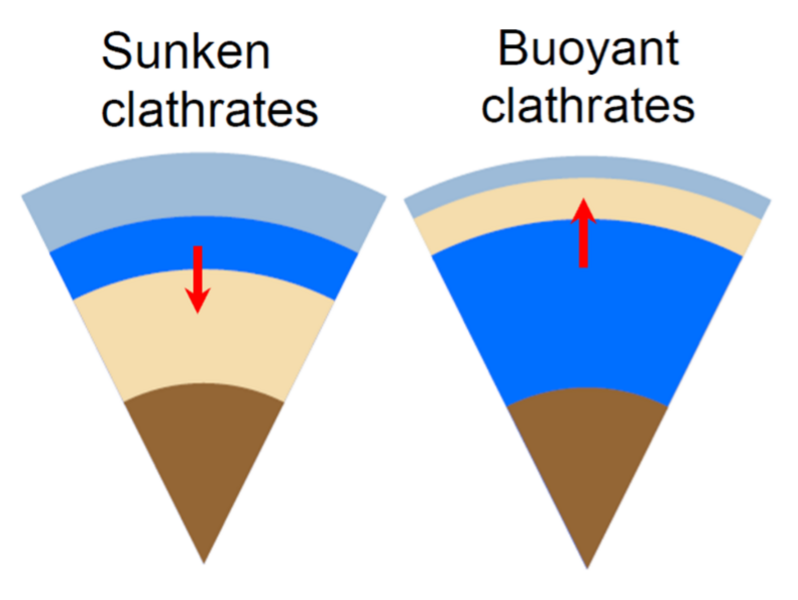
Abstract: The presence of hydrate clathrates—crystalline inclusion compounds that form when water solidifies in the presence of gas—can have a significant impact on geological processes in planetary environments. The stability, composition, and distribution of these structures in icy moons such as Titan, Europa, and Enceladus remain poorly understood.
This project aims to combine experimental and modeling studies to explore the formation of mixed clathrates in the subsurface oceans of icy moons and assess their propensity to be incorporated into the crust for systems of pure water and in the presence of inhibitors. The objectives are 1) to generate new experimental data on the stability of clathrates in the presence of ammonia, 2) to perform thermodynamic modeling of the effect of ammonia and salts on the dissociation and occupancy of clathrates, 3) to assess the composition of mixed clathrates that could form in icy moons, and 4) to study the destabilization of methane clathrates and outgassing on Titan.
Ground-based models as well as space missions, such as JUICE and Europa Clipper, will benefit from this study, which will provide new constraints on the conditions necessary to maintain reservoirs of liquid water.
Team: MPI
PhLAM Project Manager: Thérèse HUET
Partners: LISA, LPCA, MONARIS, PhLAM
Abstract: The James Webb Space Telescope has opened up a new frontier of discovery in our universe. It now allows us to study the atmospheres of a wide variety of exoplanets. Our innovative strategy integrates expertise from three fields to address the future detection of biosignature gases: kinetic models, high-resolution spectroscopic data, and analysis of exoplanet atmospheric composition. The primary objective of this project is to address gaps in high-resolution IR spectroscopy for molecules exhibiting one or two high-amplitude motions. The secondary objective is to integrate the new spectroscopic data into an advanced model that combines chemical kinetics with analysis of the atmospheric composition of exoplanets.
Team: PCMT
PhLAM Project Manager: Andre SEVERO PEREIRA GOMES
Partners:
Abstract: Understanding the interaction between light and matter is key to our understanding of natural phenomena, whether from the perspective of basic or applied research, as it lies at the heart of many technologies and processes that are essential to our societies: medical sciences (imaging), energy (photovoltaic devices), or telecommunications (photonics and electronics). The main objective is to develop new theoretical tools that enable the accurate simulation of multiphoton processes for molecular systems, and that are applicable to the entire periodic table, for systems in the gas phase, solvated, or confined, taking into account relativistic, electronic correlation, and environmental effects; This applies to both resonant and non-resonant processes, for any combination of electric and magnetic perturbations, enabling the study of the properties of chiral systems. Beyond these developments, we will use these methods to study systems containing heavy elements (with a focus on lead perovskites and actinides), due to their importance in numerous technological applications and the challenges faced by theoretical approaches in describing them accurately. The main activities of the project will consist of developing and implementing a high-order response theory based on the relativistic coupled-cluster singles-doubles model, which accounts for resonant processes involving both valence and core electrons. The implementation will be carried out in the ExaCorr module of the DIRAC code, to enable accurate calculations for systems containing up to approximately 50 atoms and comprising one or more heavy elements. To extend the applicability of these methods, we will combine them with quantum entanglement techniques.
Team: Quantum Systems
PhLAM Project Manager: Radu CHICIREANU
Partners: LPL Villetaneuse, INPHYNI Nice
Abstract: Atomtronics is an emerging quantum technology that utilizes potentials specifically designed for atomic matter waves, with applications ranging from quantum simulations to the development of practical devices.
The goal of the UniQ-Rings project is to experimentally investigate, for the first time, fundamental questions related to atomtronics: the complex dynamics of one-dimensional superfluid currents in situations close to or far from equilibrium, the exotic dynamics of nonlinear atomic waves, as well as the exploration of uncharted territory: the strongly correlated regime in a one-dimensional ring geometry.
UniQ-Rings will address these issues through two complementary experiments based on atomic Bose-Einstein condensates. Leveraging their specific characteristics, these platforms will develop 1D ring structures to trap atoms, with the aim of studying 1D superfluidity in two extreme regimes of interaction parameters, while also exploring the intermediate region for which theoretical predictions are currently lacking.
The UniQ-Rings project will benefit from the support of established theorists, experts in theoretical and numerical methods for 1D quantum systems in various regimes, whose contribution will be essential to the project’s success. The experiments will validate analytical predictions and guide future theoretical advances beyond the current state of the art.
Team: Photonics
PhLAM Project Manager: Alexandre KUDLINSKI
Partners: Institut Fresnel, DRS-APHM, Lightcore
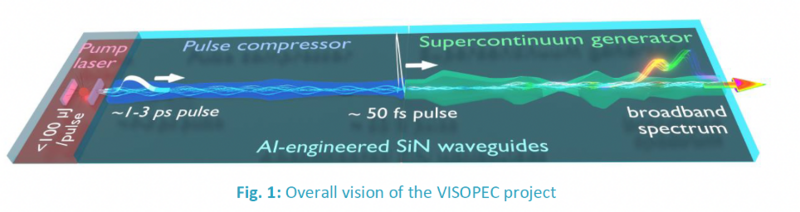
Abstract: The project aims to develop a miniature endoscopic probe capable of performing real-time Raman histological diagnosis to rapidly detect gastrointestinal cancers without the need for a biopsy. Currently, diagnosis relies on lengthy and anxiety-inducing biopsies, which often delay treatment. The new probe will enable immediate diagnosis, even during tumor resection surgery. The innovation relies on stimulated Raman spectroscopy (SRS), which has so far been incompatible with endoscopy. The project introduces “backward” detection of the SRS signal, a world first. It builds on recent advances in SRS microscopy, miniature optical fibers, and 3D glass printing. It will be the first SRS endoscope capable of performing instant optical histology. The device will be integrated into a mobile, standalone unit for clinical use. Developed in collaboration with Lightcore Technologies, a prototype will precede the commercial version. This project promises faster, more accurate, and less invasive cancer treatment.
Team: Photonics
PhLAM Project Manager: Géraud BOUWMANS
Partners: ICMMO, CEMHTI, LSPM
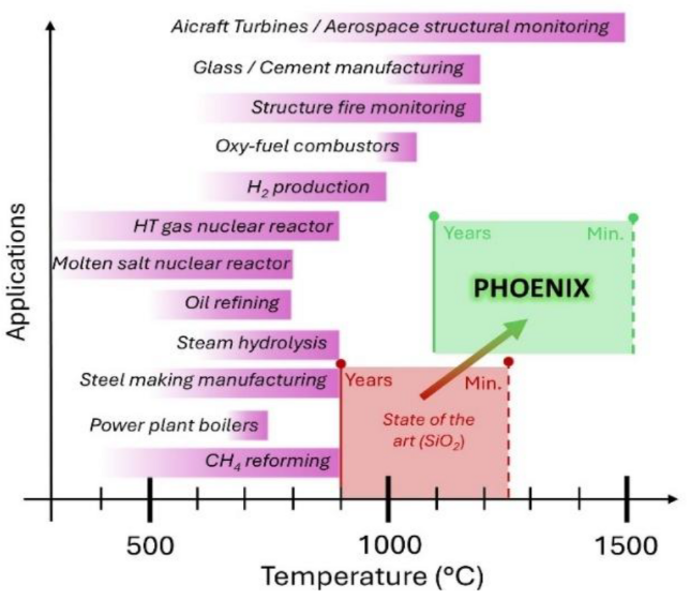
Abstract: PHOENIX aims to develop new compositions of bulk and fiber-reinforced glasses for very high temperatures (HT, typically 800–1500°C) and to maximize the thermal stability of innovative photo-induced structures (precipitation of refractory particles) for sensor applications, thereby bringing all the advantages of fibers (compactness, flexibility, resistance to electromagnetic interference, etc.) to this high-temperature range. This opens the door to a wide range of fields: turbine engines, additive manufacturing processes (3D laser metal, ceramic, and glass), H2 production processes, nuclear reactors (instrumentation for future reactors and tokamaks), structural health monitoring… In fact, current technologies result in the elimination of the fiber’s sensitive zone (typically Bragg gratings) due to the viscosity of the glass, which occurs at 1,250 °C and 980 °C for 30 minutes and one year, respectively, in pure SiO₂, and “only” at 900 °C for one year in telecommunications fibers. To meet the performance requirements of most applications, targeted operating ranges of 900 to 1,200 °C and 1,000 to 1,500 °C are expected for long (years) and short (minutes/hours) durations, respectively. This is the primary motivation behind the PHOENIX proposal.
Team: Photonics
PhLAM Project Manager: Bruno CAPOEN
Partners: PhLAM, Laboratoire Hubert Curien, Sodern
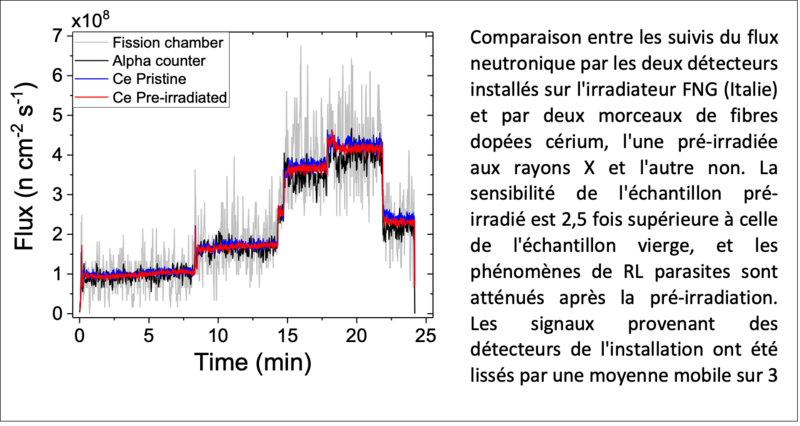
Abstract: Optical fiber dosimeters are recognized as a promising alternative to electronic sensors for measuring various types of radiation (X-rays, gamma rays, protons). DOLFIN stands for “Dedicated OpticaL FIbers for sensitive and selective Neutron dosimetry”.
The consortium partners (PhLAM, Laboratoire Hubert Curien, and the company Sodern) will exploit and optimize the radioluminescence of glasses and fibers doped with rare-earth ions for neutron dosimetry. Simulations and measurement campaigns using X-rays, neutrons, and gamma rays are planned to increase the sensitivity of the dosimeters by varying several parameters, such as the dopants and their concentration, the fiber design, the signal acquisition system, and the combination of different fibers...
Team: DYSCO
PhLAM Project Manager: Laurent HÉLIOT
Partners: Centre de Recherche Inria Grenoble - Rhône-Alpes, Institut Langevin Ondes et Images, PhLAM, University of California Berkeley
Abstract: The ABC4M project aims to understand how the transcription factor P-TEFb traverses the nucleus to control the release of the transcription pause. This key step regulates transcription elongation by releasing RNA polymerase II from its stalled state. The activity and mobility of P-TEFb depend on its protein partners, chromatin, and potential non-DNA-specific interactions.
To study these, ABC4M combines two complementary microscopy approaches, FCS and sptPALM, enabling the analysis of its dynamics at different scales. These data will be integrated using Monte Carlo simulations and approximate Bayesian inference. The goal is to determine the key mechanisms influencing P-TEFb movement and their impact on transcriptional regulation. ABC4M will thus provide a quantitative and integrated view of P-TEFb’s nuclear dynamics.
Team: DYSCO
PhLAM Project Manager: Laurent HÉLIOT
Partners: IRIMAS Université Haute Alsace Mulhouse, ICB Université Bourgogne Dijon, PHLAM
Abstract: Emerging models in biology highlight the major role of molecular dynamics in cellular regulatory mechanisms. Measurements in living cells are hampered by the complexity of biological systems—including heterogeneity, the sheer number of molecules, and varying spatiotemporal scales—and there is currently no microscopy technique capable of addressing this wide range of dynamics.
We have previously shown that fluorescence fluctuation measurements (FCS) and single-particle tracking (SPT) performed separately demonstrate the existence of populations diffusing at different spatiotemporal scales (0.1 to 10 μm²/s) but do not allow for an understanding of the underlying mechanisms. To achieve this, it is necessary to develop a device that simultaneously combines these SPT and FCS measurements (two possible options: single-channel or multi-point), with analysis tools integrated into the acquisition process to exploit these measurements and perform cross-analyses with minimal prior assumptions.
In this project, we propose to design a groundbreaking approach combining SPT/FCS multimodal instrumentation with dedicated image analysis using deep learning. We will develop an acquisition and quantification pipeline based on multidimensional measurements (us to ms and 0.2 μm to 10 nm). Our goal will be to apply this measurement pipeline to the study of the spatiotemporal dynamics of RNA polymerase II.
This project will represent a significant advance in the measurement and interpretation of molecular dynamics within cells. It is innovative in terms of: 1) instrumentation: simultaneous FCS/SPT acquisition; 2) analysis: development of data processing and analysis methods enabling the extraction of correlated results across different spatiotemporal scales; 3) methodology: collaboration between instrument specialists, modelers, and image analysts within an organization based on the consortium’s multidisciplinary approach.
Team: DYSCO
PhLAM Project Manager: Clément HAINAUX
Partners:
Abstract: Quantum fluids are remarkable physical systems in which quantum properties emerge on a macroscopic scale, as evidenced by superconductivity, superfluidity, and Bose-Einstein condensation. When driven out of equilibrium, these fluids exhibit turbulent behavior. Unlike classical fluids, quantum fluids have no viscosity, and their vortices—elementary excitations—are quantized. The phase circulation around their core must be an integer multiple of 2π, which profoundly alters the system’s behavior compared to classical turbulence, where vortices interact continuously and redistribute energy at all scales. This raises questions about how vortices in quantum fluids form, interact, and recombine, thereby opening up the field of quantum turbulence. Although vortex pair interactions and energy cascades have been studied, the mesoscopic turbulent regime—where dozens of vortices interact with the fluid to form complex structures through collective behavior—remains poorly understood. Furthermore, the mechanisms of transition between superfluidity and turbulence are not yet clear.
This project aims to address these questions using a light superfluid based on semiconductor microcavities, a system that allows for a detailed microscopic study of the spatial distributions of 2D vortices (correlation measurements) in order to reveal their statistical and interaction properties. Furthermore, by studying the transition from superfluidity to turbulence when the fluid collides with a repulsive potential shaped like an airplane wing, we will explore the existence of lift and drag forces in a superfluid.
Team: MPI
PhLAM Project Manager: Laurent MARGULÈS
Partners: PhLAM, ISCR, MIT
Abstract: This application is a renewal of the three-year collaborative project, launched in 2025, between PhLAM (Lille), IENSCR (Rennes), and MIT (Boston, USA).
The proposed project marks a growing collaboration between the spectroscopy group at the University of Lille’s PhLAM, led by Laurent Margulès, and that of Brett McGuire at MIT. It aims to improve our understanding of the chemical composition of the universe through high-resolution rotational spectroscopy.
The Lille team has expertise in high-frequency spectroscopy (up to 1.5 THz) of molecules that become active in hotter environments, such as those near newly formed stars. These environments often contain medium-sized saturated molecules, which are essential for understanding prebiotic chemistry and the origins of life.
The McGuire group specializes in low-frequency rotational spectroscopy, focusing on the X, Ku, K, E, and W bands (8–100 GHz). These frequencies are essential for observing the fundamental rotational transitions of molecules, which are crucial for determining their structure and predicting their spectra for detection in space. These low-frequency measurements allow for precise determination of molecular structures and are essential for identifying large or extremely cold molecules in space, particularly those located in the early stages of pre-stellar formation regions.
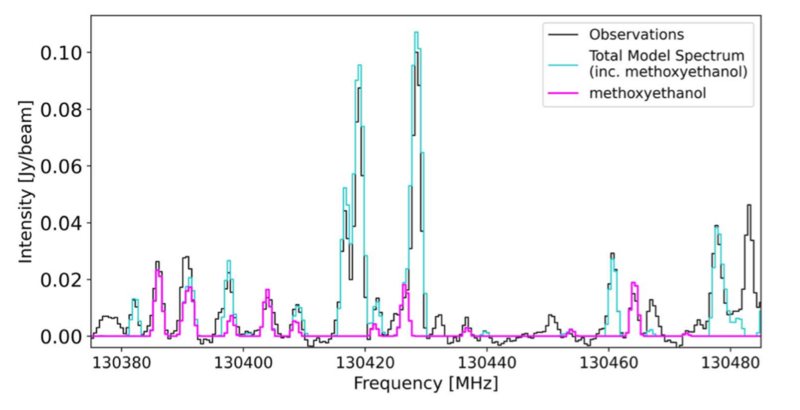
This collaboration, initiated with B. McGuire in 2017, has achieved further success with the prediction and subsequent in-space detection of methoxyethanol for the first time (Z. Fried et al., ApJL, 2024, 965, L23 10.3847/2041-8213/ad37ff), a molecule of astrochemical significance. This project will advance our understanding of the chemical processes governing the universe, from star formation to the potential origins of life, and will promote learning and the sharing of expertise.
Team: Photonics
PhLAM Project Manager: Francesco TANI
Abstract: MIAOW is about building a bridge between nonlinear fibre optics and strong-field laser science. To achieve this, we will explore for the first time induced modulational instability – a nonlinear process widely exploited in optics and photonics – in gas-filled hollow-core fibres. Compared to solid-core waveguides, these platforms guide pulses of significantly higher intensities, exhibit broader transparency that extends well into the ultraviolet and infrared, and permit fine-tuning of the nonlinear dynamics by changing the pressure and species of the filling gas. We aim to develop versatile, compact, and tailorable sources of ultrashort pulses with durations of only a few femtoseconds and high peak power to access in a controlled fashion the non-perturbative regime of nonlinear optics.
Team: Quantum Systems
PhLAM Project Manager: Giuseppe PATERA
Partners: Université Paris-Saclay, Université Paris Cité, Université de Montpellier, Sorbonne Université, Université technologique de Nanyang, Université Côte d'Azur, Université Nationale de Singapour, Grenoble INP, Université Grenoble Alpes, Université de Lille, ENS-PSL, Collège de France
Abstract: OQuLus is a strategic national project aimed at positioning France at the forefront of photonic quantum computing. It brings together France’s leading expertise, both theoretical and experimental, covering the entire technology chain—from semiconductor physics to integrated optics—and encompassing both approaches to quantum information encoding: discrete variables (DV) and continuous variables (CV). The project aims to build two prototypes of NISQ (Noisy Intermediate Scale Quantum) optical quantum computers:
- DV approach: development of an 8-qubit processor based on quantum dots emitting single, entangled photons, coupled to reconfigurable, ultra-low-loss silicon nitride photonic circuits. The goal is to generate photonic cluster states, demonstrate the first steps of measurement-based computing, and prepare the next generation of processors integrating superconducting detectors, deterministic photon-photon gates, and fast feedforward circuits.
- CV approach: implementation of computation-by-measurement utilizing time-frequency modes to generate large-scale cluster states (from 10 to 10,000 nodes), combined with non-Gaussian operations based on mode-selective photon addition or subtraction.
OQuLus is based on the synergy between hardware development and theoretical modeling, with a roadmap that incorporates the design of realistic models that take technological constraints into account and aim to closely link these models to software-level experiments.
The project is part of the national Quantum PEPR initiative, providing the hardware necessary to build a full-stack photonic quantum computer, while serving as a technological foundation for the Algorithmic PEPR and NISQ2LSQ initiatives.
Thanks to the excellence of its partners and the synergy between fundamental research and engineering, OQuLus aims to demonstrate the effective operation of reconfigurable photonic NISQ machines, positioning France among the few nations capable of developing a complete photonic quantum computing ecosystem.
Team: MPI
PhLAM Project Manager: Cristian FOCSA
Partners: LOG Lille, PhLAM, IPAG Grenoble, IRAP Toulouse
Abstract: Laser-assisted mass spectrometry enables the characterization of the molecular compositions of soluble or macromolecular organic matter with minimal sample preparation and spatial resolution down to the micrometer scale. We will develop the potential of this technique for studying natural organic matter, which is chemically ultra-complex and often heterogeneous. Our goal is to provide new insights into the origin and/or history of organic matter in meteorites, asteroid samples, various fossil microorganisms, and some of the oldest terrestrial carbonaceous residues with a plausible biological origin. This project will provide powerful methods for characterizing organic matter in valuable extraterrestrial samples to be returned from Phobos and Mars, and will help better define potential traces of life.
Team: Photonics
PhLAM Project Manager: Yves QUIQUEMPOIS
Partners: ICMCB (Borbeaux), IRCER (Limoges), XLIM (Limoges), CEA List, PhLAM
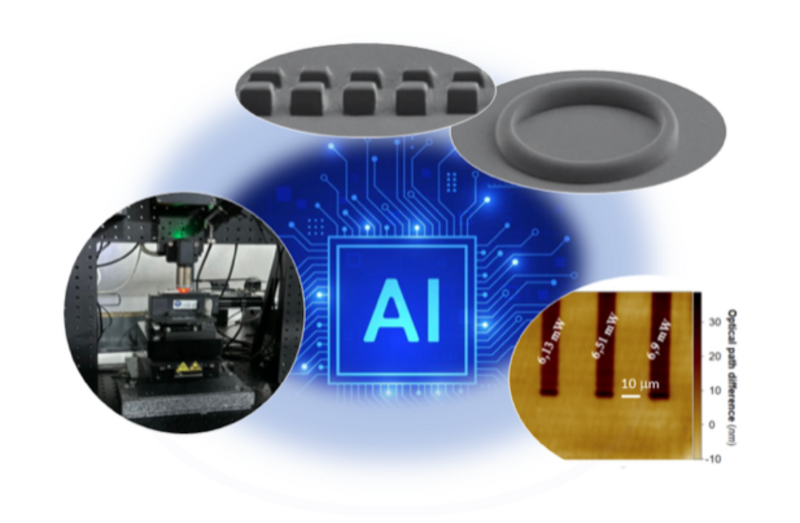
Abstract: The PHOTONIA project aims to develop artificial intelligence models capable of predicting, for each specific optical function targeted, the optimal 3D laser fabrication process by optimizing its various steps. It goes without saying that the chosen manufacturing process must also guarantee a set of basic optical properties that allow each component manufactured in this way to be classified as “optical quality.” Aware of the difficulty in directly building an AI model capable of predicting manufacturing conditions corresponding to each targeted optical function, the consortium proposes to address this issue in an intermediate phase using a reverse approach. This approach consists, initially, of treating manufacturing parameters as input data for the AI model and the optical properties/functions of a multi-material 3D-printed component as output data.
Team: Photonics
PhLAM Project Manager: Marc DOUAY
Partners: Université de Rennes, Université de Bordeaux, Université de Limoges, Université Côte d'Azur, CEA Saclay
Abstract: Add4P is a national technology platform dedicated to the additive manufacturing of silica, chalcogenide, and telluride glasses for the production of new photonic components. The CNRS coordinates this project, which involves seven partners located throughout France: CEA List (Paris), CELIA, CRPP, ICMCB (Bordeaux), PhLAM, IEMN, IRCICA (Lille), ISCR (Rennes), IRCER and XLIM (Limoges), and INPHYNI (Nice).
The activities of the Add4P Equipex are organized into three main areas of work. The first develops innovative approaches for additive manufacturing of glass components ranging in size from millimeters to centimeters. The second focuses on additive manufacturing of components with submicrometer resolution. The third focuses on the synthesis of glasses combined with the synthesis of other materials (metal, ceramics, doped glasses). In each area, the main objective is to introduce new methods for manufacturing photonic components in France.
Team: MPI
PhLAM Project Manager: Cristian FOCSA
Partners: ECOSYS, CEREA, PhLAM, PC2ALCE
Abstract: Crop fertilization can be a major source of emissions of volatile organic compounds (VOCs), which form secondary organic aerosols (SOA) through their reactions with atmospheric photooxidants. In a societal context that encourages the recycling of Organic Waste Products (OWPs) in agriculture, the comparative effects of mineral fertilizers and OWPs on these emissions are of particular interest. The objective of this project is to elucidate the mechanisms of VOC production and degradation emitted by different OWPs and to quantify SO formation. It will address this fundamental problem in atmospheric science by combining laboratory experiments and field measurements. It also aims to model this AOS formation in order to assess environmental impacts at the scale of an agricultural region and to provide recommendations for preserving air quality following the use of organic and mineral fertilizers.
Team: MPI
PhLAM Project Manager: Yvain CARPENTIER
Partners: ISMO (UMR 8214), PC2A (UMR 8522)
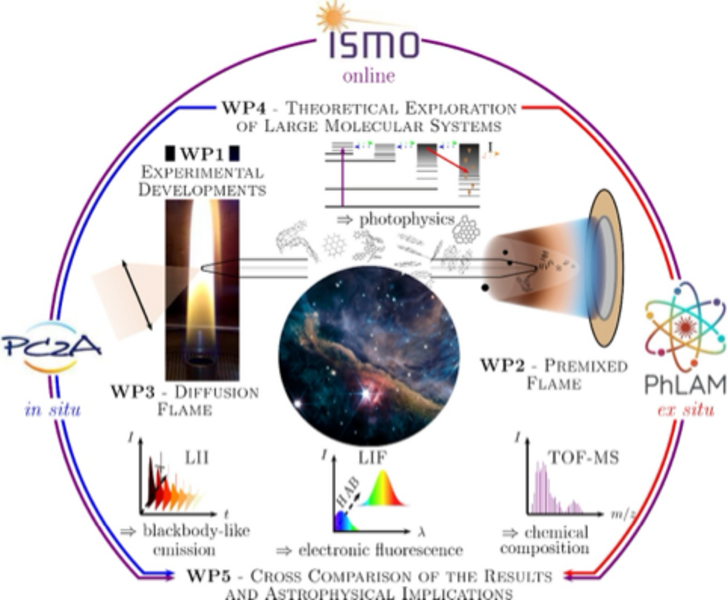
Abstract: The interpretation of observations of the interstellar medium, both in extinction and emission, relies on complex modeling of the photophysical properties of its components, based on laboratory analogs. Until now, the properties of carbon-rich interstellar species (containing tens to hundreds of atoms) have mainly been extrapolated from smaller molecules or nanoparticle analogs. However, it has recently been shown that the nucleation process in sooty flames—itself still poorly understood—effectively produces species of relevant sizes and structures.
The consortium brings together unique expertise ranging from combustion to laboratory astrophysics to exploit novel flames and efficiently produce large molecular systems in the gas phase from the soot nucleation zone, and to study their photophysics under conditions simulating those of the interstellar medium. Structural characterization, electronic absorption, electronic fluorescence, and recurrent fluorescence are studied through in situ, online, and ex situ experiments, supplemented by in-depth theoretical modeling. The project aims to advance the identification of the sources of unexplained interstellar spectral signatures.
Team: MPI
PhLAM Project Manager: Manuel GOUBET
Partners: ISMO (UMR 8214), ISM (UMR 5255), LAB (UMR 5804), IRAP (UMR 5277)
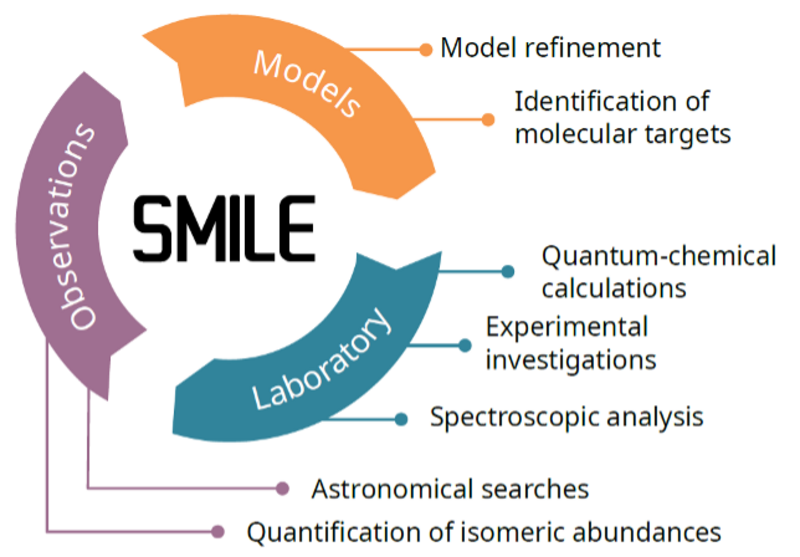
Abstract: As part of the SMILE project, we are searching for new isomers of known interstellar molecules, both in the laboratory and in space. Using models of the chemistry of various interstellar sources, we have identified specific molecular targets that are predicted to be abundant in the interstellar medium but for which laboratory data are currently lacking. Our approach involves the experimental characterization of their rotational spectra, followed by interstellar searches. Each interstellar detection—or its absence—will provide essential constraints for refining current models of astrochemical reaction networks.
Team: MPI
PhLAM Project Manager: Brian HAYS
Partners:
Abstract: Astronomical observations rely on high quality fundamental molecular physics measurements and theoretical calculations. This is especially important for molecular astrophysics, where laboratory measurements are needed to provide frequencies to search for molecules in space and theoretical calculations provide inelastic collision rate coefficients for those molecules to model observational data. There are glaring omissions in the current body of work, as (1) radicals with large amplitude motion (RLAMs) have not been found in space due to lack of laboratory measurements and (2) theoretical models of collisional (de)excitation of molecules are difficult to benchmark to experimental data. The combination and development of new experimental techniques can improve this situation. Pulsed laser photolysis (PLP) will be used to selectively produce RLAMs. Two dimensional (2D) Fourier transform millimeter wave spectroscopy will be developed 1) to automatically assign complicated spectra expected in RLAMs and 2) to measure inelastic collision rate coefficients through measuring inelastic transitions between energy levels. Finally, measurements will be performed in a buffer gas cooling (BGC) cells to reach a collisional environment that matches the temperatures found in space while also increasing rotational transition strengths..
Team: Quantum Systems
PhLAM Project Manager: Adam RANÇON
Partners: LKB – Sorbonne Université
Abstract: Non-equilibrium quantum physics is a major challenge in contemporary science. It encompasses a variety of systems, foremost among them the quantum fluids produced in cold-atom laboratories. In this context, quantum quenches provide a simple method for driving a system out of equilibrium: After the quench, the system generally acquires non-trivial dynamics not described by conventional statistical physics. The central question is whether these dynamics can exhibit universal properties belonging to a class of universality shared by a wide range of systems. Recently, several such classes have been identified, such as Kardar-Parisi-Zhang (KPZ) dynamics or non-thermal fixed points, characterized by universal dynamic scaling laws in the quantum correlations of an N-body system.
Theoretically, descriptions of the non-equilibrium N-body problem are rare, largely due to their inherently non-perturbative nature. This project aims to address this gap by combining the expertise of the two partners, who have recently developed complementary descriptions of the relaxation of isolated Bose gases: non-equilibrium field theories (LKB) and non-perturbative functional renormalization group (PhLAM). We propose to use these methods to characterize universality in two representative problems currently driving non-equilibrium quantum physics: (i) quenches of Bose superfluids, where signatures of KPZ physics have been identified but without decisive proof, and (ii) quenches of 2D and 3D Bose gases across their critical temperature, known to induce non-thermal fixed points. In addition to describing these non-equilibrium phenomena, the project aims to explore the robustness and precise boundaries of their universal properties, particularly with respect to thermalization or spatial disorder, in order to provide experimentally verifiable predictions.
Team: Quantum Systems
PhLAM Project Manager: Pascal SZRIFTGISER
Partners: PhLAM, IEMN
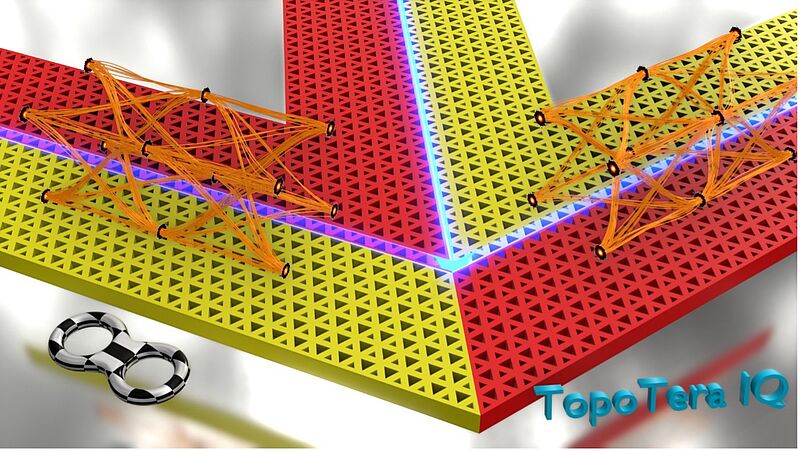
Abstract: This project aims to design, build, and demonstrate the very first coherent IQ demodulator in the THz range. Based on heterodyne detection, it operates without mixers or nonlinear components, potentially offering exceptional linearity. Indeed, although 5G handles massive volumes of data, it cannot fully support applications such as the Internet of Things (IoT), autonomous vehicles, and virtual reality. With the increasing demand for data rates, the need for new technologies is becoming increasingly urgent. Although THz technology has the potential to unlock vast spectral resources, single-channel transmission capabilities in the THz range have stagnated for several years, regardless of the type of technology used. In THz links, receiver bandwidth and linearity remain the main bottlenecks. By developing a THz IQ receiver, similar to those used in coherent optical communications, this project aims to overcome these limitations. To achieve this, we will, in particular, leverage topological concepts applied here to a silicon substrate. Indeed, topological waveguides offer significant advantages over conventional designs, such as sharp bends without backscattering and near-ideal power splitters and combiners, thereby enabling compact devices with low insertion loss. The target bandwidth of the receiver is 60 GHz, compatible with the 69.12 GHz channel width of the IEEE 802.15.3d standard. With this development, we plan to demonstrate a “back-to-back” transmission of over 360 Gbit/s on a single channel using complex modulation formats such as 64QAM and beyond, thereby far exceeding the current state of the art.
Team: Photonics
PhLAM Project Manager: Siddhart SIVANKUTTY
Partners:
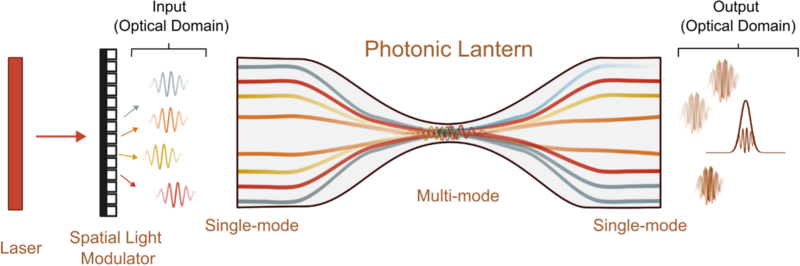
Abstract: Spike neural networks (SNNs) are bio-inspired computational paradigms that enable machine learning with limited training data. In a novel approach, we are investigating photonic platforms that would enable the realization of high-speed optical SNNs, leading to parallelized, ultrafast, and energy-efficient operation. In this project, we propose the realization of a key component of optical SNNs—an optical lantern with inter-core coupling. This architecture, reminiscent of a multimode interferometer, when combined with optical nonlinearities, has the potential to perform nonlinear operations optically. This opens new horizons in fundamental research for artificial intelligence and explores the potential of optical systems to build energy-efficient computing devices.
Team: Photonics
PhLAM Project Manager: Arnaud MUSSOT
Partners: LAAS, IRMAR, Institut Fresnel, ICB
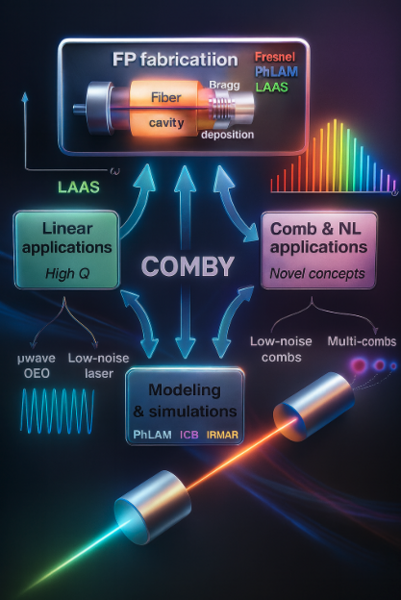
Abstract: The COMBY project aims to bridge the gap between integrated THz micro-resonators and MHz-rate fiber cavities. It will develop compact GHz-rate Kerr Fabry-Perot resonators for generating optical and microwave frequency combs, intended for high-resolution spectroscopy and ultrafast LIDAR. This multidisciplinary project, at the interface between materials science, nonlinear optics, and microwave technology, relies on theoretical, numerical, and experimental approaches. It aims to improve the quality factor of the resonators (>10⁹), to understand and control the formation of multidimensional combs, and to demonstrate ultra-stable, low-noise sources. Finally, COMBY will extend these concepts to other wavelengths (1000 nm and 2000 nm) for applications in biophotonics and metrology.
Team: DYSCO
PhLAM Project Manager: Stéphane RANDOUX
Partners: PhLAM, LHEEA-Ecoles Centrale de Nantes, MSC-Université Paris Diderot, LEGI-Université Grenoble-Alpes
Abstract: The concept of soliton gases, first introduced theoretically in 1971, describes a collection of solitons with random velocities and amplitudes distributed like the atoms in a dilute gas. Long considered a purely theoretical model in nonlinear statistical physics, it has recently received its first experimental confirmation.
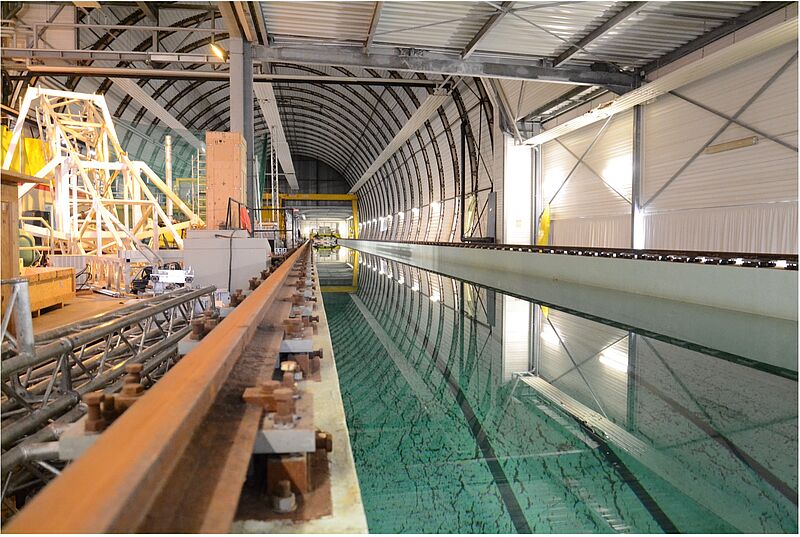
The SOGOOD project aims to develop an interdisciplinary approach combining optics, hydrodynamics, and numerical simulations to explore the dynamic, statistical, and thermodynamic properties of these gases. Its main objectives are (1) to demonstrate their deterministic generation and clear observation in the laboratory, in order to test the validity of kinetic theory, and (2) to study their role in wave turbulence.
The consortium brings together four university groups (Lille, Nantes, Paris, Grenoble) specializing in nonlinear waves. The experiments will rely on hydrodynamic tanks and optical fibers, while the analysis will be based on a nonlinear spectral approach, offering a paradigm shift from classical Fourier analysis.
The expected results should yield fundamental advances and be of interest to a variety of communities: optics, hydrodynamics, turbulence, mathematical physics, and quantum gases.
Team: MPI
PhLAM Project Manager: Roman MOTIYENKO
Partners: ISMO
Abstract: The main objective of the project is to develop an innovative approach for analyzing the desorption products of interstellar ice analogs (SIAs). The approach is based on the application of frequency-shifted pulsed terahertz spectroscopy to monitor the gas composition during the rapid desorption of ice samples formed at low temperatures and under ultra-high vacuum, subjected to radiation simulating several million years of residence in the dense interstellar medium. The experimental developments of the project will serve a second objective: to explore the molecular complexity of ISAs. The results obtained within the framework of the project will help guide the interpretation of observations and provide missing data for current astrophysical and astrochemical models, particularly those describing the interface between the gaseous and solid phases of the interstellar medium.
Team: Photonics
PhLAM Project Manager: Alexandre KUDLINSKI
Partners:
Abstract: Endoscopy plays a vital role in the diagnosis, monitoring, and treatment of epithelial cancers. However, early detection remains limited: precancerous changes are often invisible to the naked eye, fluorescent markers lack sensitivity, and biopsies delay decision-making.
The EnViRa project aims to overcome these limitations by developing a miniature probe capable of performing stimulated Raman spectroscopy (SRS) histology in real time. This technique will produce tissue images comparable to conventional histology, without the need for tissue sampling, enabling early and minimally invasive detection of gastrointestinal cancers.
The approach combines recent advances in SRS microscopy, the miniaturization of fiber-optic probes, and 3D additive manufacturing of high-resolution glass to create an innovative system for “retrograde” detection of the Raman signal. This will be the first SRS endoscope capable of performing instantaneous optical histology.
The probe will be integrated into a mobile, autonomous prototype and tested ex vivo on human tissue in collaboration with clinicians.
Beyond digestive cancers, EnViRa technology can be applied to many types of tumors and to any tissue analysis requiring real-time histological data.
Team: PCMT
PhLAM Project Manager: Valérie VALLET
Partners: IPHC (UMR7178), SUBATECH (UMR6457), LPSC (UMR5821), LP2I (UMR5797), IJCLab (UMR9012), ICSM (UMR5257), CEMHTI (UPR3079), IP2I (UMR5822), UMET (UMR8207), CIRIMAT (UMR5085), ICN (UMR7272), UCCS (UMR8181), SOLEIL, PhLAM (UMR8523), GPM (UMR6634), NIMBE (UMR3685), ICP (UMR8000), INSP (UMR7588), LSI (UMR7642), CIMAP (UMR6252).
Abstract: Project 3, entitled Radiochemistry and Actinide Chemistry for the Fuel Cycle and the Environment, is coordinated by Christophe Den Auwer and Philippe Guilbaud, under the umbrella of CNRS, CEA and ASNR. It aims to deepen the molecular chemistry of actinides (from Th to Cm), a field where significant gaps remain despite the knowledge accumulated since the 1940s — particularly regarding RedOx processes, poorly explored elements (Pa, Po), and interfacial chemistry.
The project is structured around two main axes: fuel cycle chemistry (speciation in concentrated acidic media, thermodynamic and kinetic data, links between fuel separation, conversion and fabrication) and environmental chemistry (transfers at solid-liquid interfaces, ecological markers, ultra-dilute media, equilibrium competition). Seven scientific themes underpin the project: diffusion of rare gases in nuclear fuels, protactinium speciation, marine trophic transfer, bacteria-radionuclide interactions, ligands for low-oxidation-state actinides, plutonium clusters, and U/Am interactions with organic matter.
The project mobilizes 65 FTEs, funds 6 PhD positions and 2 postdoctoral fellowships, with a PEPR budget of €2,074k. It brings together twelve academic and CEA partners, including SOLEIL (MARS beamline), and plans to host PhD students at the Atalante facility (CEA Marcoule).
Team: MPI
PhLAM Project Manager: Elias NEEMAN
Abstract: This project aims to better understand the physicochemical mechanisms that govern the formation and evolution of molecular species in the interstellar medium, as well as the processes that may have contributed to the emergence of life on Earth. In this context, rotational spectroscopy plays an essential role by establishing a direct link between laboratory measurements and astronomical observations, thanks to the spectral signatures needed to identify new species in space. The study of many interstellar species nevertheless remains difficult due to their high reactivity and their instability under terrestrial conditions. This project will draw on new experimental developments in order to produce, detect, and characterize these species under controlled conditions. The results obtained will guide future astronomical observations and will contribute to a better understanding of the physical and chemical processes at work in the interstellar medium.
Team: PCMT
PhLAM Project Manager: Alejandro RIVERO SANTAMARÍA
Partners:
Abstract: : The study of reaction dynamics at gas-solid interfaces is crucial for many fields, including atmospheric and interstellar heterogeneous chemistry. Understanding the molecular mechanisms of adsorption, chemisorption, and heterogeneous reactivity at these interfaces provides fundamental knowledge essential for technological advances in these fields.
This project aims to develop a comprehensive computational framework for studying gas-surface interactions using artificial intelligence (AI)-based methodologies. By integrating ab initio molecular dynamics (AIMD) with machine learning-based potential energy surfaces (ML-PES), we seek to improve the accuracy and efficiency of molecular dynamics (MD) simulations, enabling more detailed investigations of reactivity, energy transfer, and energy dissipation in complex, high-dimensional systems.
To achieve this goal, we will explore different AI models for constructing ML-PES, optimizing the entire process from PES generation to MD simulations. Additionally, we will implement automated strategies for selecting configurations generated by AIMD to improve the training of ML-PES. To validate our methodology, we will apply it to certain gas-surface interactions relevant to atmospheric chemistry and astrophysics.
Team: DYSCO
PhLAM Project Manager: Emmanuel COURTADE
Partners: PhLAM, GBCM – CNAM Paris
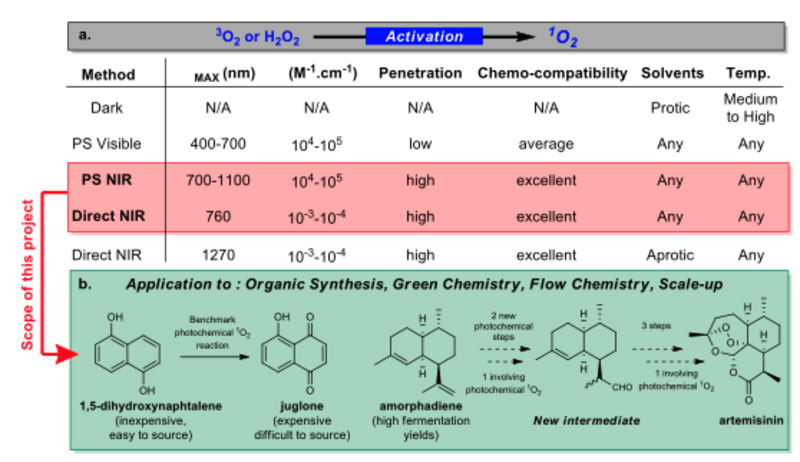
Abstract: The use of light as a renewable source of activation energy is of great interest in organic synthesis. Its absorption by a photosensitizer in the presence of oxygen generates a highly reactive species known as singlet oxygen. Singlet oxygen possesses versatile reactivity that can be harnessed to drive a wide range of reactions. However, photochemistry and photochemically generated singlet oxygen remain underutilized in industry because, to date, the electromagnetic radiation used is too high-energy to penetrate reaction media effectively. Scaling up is therefore problematic, and even though new techniques have been developed, such as continuous-flow chemistry, reactor-related limitations remain significant.
The RED2GREEN project proposes to utilize low-energy infrared radiation, which is much more penetrating and capable of efficiently producing singlet oxygen in both batch and flow modes. It thus aims to promote a broader use of singlet oxygen as a GREEN and scalable reagent on a large scale, in synthesis and in industry.
Team: Photonics
PhLAM Project Manager: Laurent BIGOT
Partners: Ekinops, Orange, LVF, IDIL, Photonics Bretagne
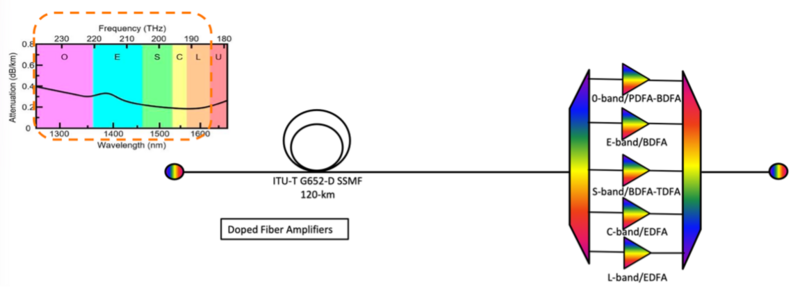
Abstract: SIMBADE aims to explore the possibility of extending the use of current “C-band” optical fibers to other “O+E+S-band” frequencies that have not been utilized until now because the technology did not allow it. SIMBADE is targeting a different technology, based on new optical amplifiers using doped fibers, which are more challenging to develop but more efficient. These amplifiers should enable the use of these “O+E+S” bands and aim for a 10-fold increase in transport capacity to avoid the “capacity crunch” caused by the growing demands of 5G and the cloud in general.
Team: Photonics
PhLAM Project Manager: Esben Raven ANDRESEN
Partners: PhLAM, IEMN
Abstract: The goal is to develop a miniaturized, flexible imaging device that can be mounted on the heads of freely moving rodents, while retaining the functionality of a benchtop microscope. The main challenges in achieving this are:
- Identifying a compact method for directing light to and from the tissue of interest;
- Implementing the chosen method in a way that enables high-speed biophotonic imaging.
In this project, we aim to overcome these challenges through the following elements:
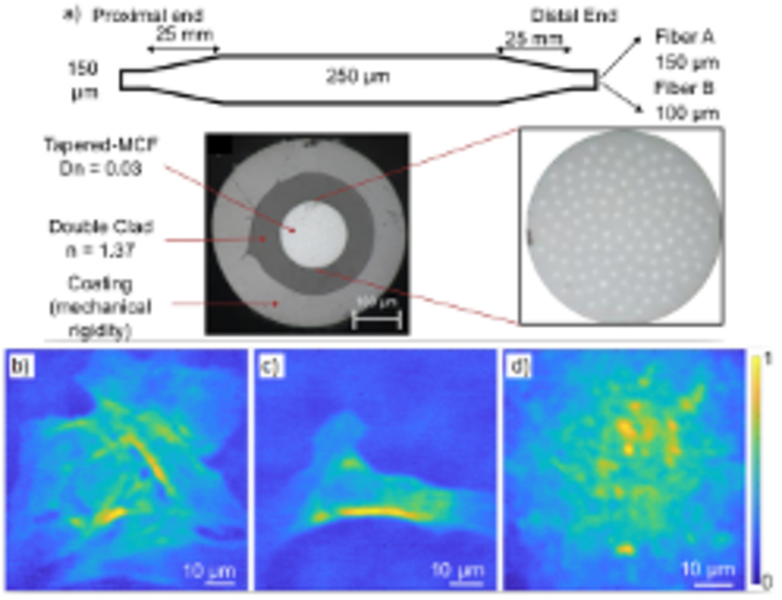
- A new type of optical fiber, see Fig. 1(a), comprising a long length of multi-core fiber with tapered ends, to combine the advantages of both fiber types: the non-tapered portion facilitates compensation for the adverse effects of dispersion and conformational variations, while the tapered portion enables higher spatial resolution in imaging.
- Methods for rapid wavefront shaping using low-loss spatial light modulators and acousto-optic deflectors.
- The ultimate goal is to demonstrate the application of the endoscope for imaging the neural activity of CA1 neurons in live mice, see Fig. 1(b)-(d).
Team: Photonics
PhLAM Project Manager: Marc DOUAY
Partners: CEA-LIST, SAFRAN
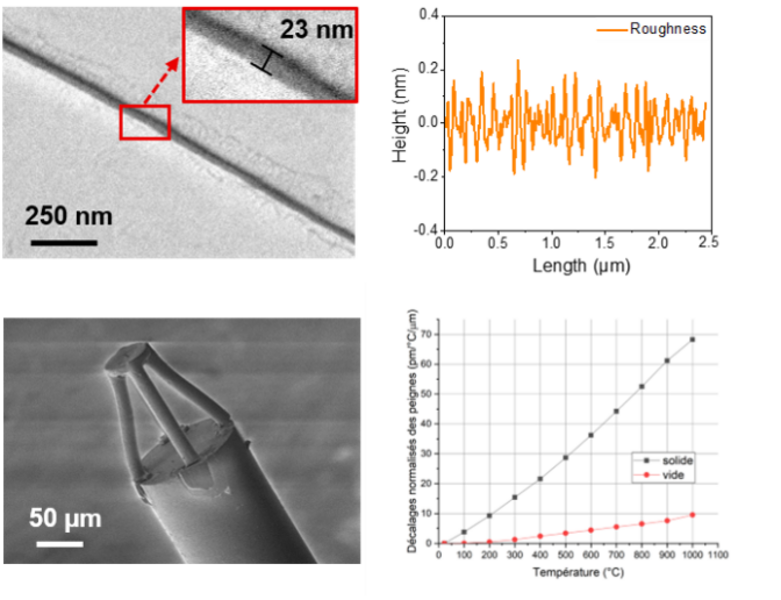
Abstract: The 3D Glassens project initially aims to develop new resins based on silica sol or germanium-doped silica (to locally modify the refractive index) and two-photon-curable organic monomers. By using these resins, mastery of the manufacturing process (two-photon 3D printing, debinding, and sintering) will result in silica glasses with the required optical properties (scattering, absorption, surface roughness, refractive index control, etc.). This project also aims, for the first time, to demonstrate high-resolution 2-photon 3D printing of silica-based glass micro-objects with a resolution of 70 nm. This process will subsequently be extended to the functionalization of optical fibers with silica-based micro-objects for the production of optical strain sensors—such as those for temperature and pressure—suitable for aerospace applications under extreme conditions.
Team: Photonics
PhLAM Project Manager: Arnaud MUSSOT
Partners:
Abstract: Optical frequency combs are coherent light sources that emit a broad spectrum of discrete, regularly spaced spectral components. They are widely used as optical references and have led to a major revolution in various fields such as high-resolution spectroscopy, optical referencing of atomic clocks, astronomy, and high-capacity optical communications. In recent years, multi-frequency comb systems—composed of multiple frequency combs with slightly different repetition rates—have garnered significant interest. These systems enable multidimensional spectroscopy for studying ultrafast dynamics or precise distance measurement, driving the pursuit of speed, precision, and accuracy. However, the science of optical frequency combs has reached a technological plateau. TRIPLE has set itself the ambitious goal of revolutionizing the field by developing a new class of all-fiber laser sources based on multi-frequency comb generation. By exploiting spatial multiplexing in optical fibers, we will design, fabricate, and test a triple-frequency comb light source in the 1 µm window delivering pulses of a few hundred pJ at a repetition rate of 10 GHz, over a bandwidth of 10 THz, and with excellent mutual coherence.
Team: PCMT
PhLAM Project Manager: Florent RÉAL
Partners: PhLAM, Laboratoire de Physique des 2 Infinis Irène Joliot-Curie, IJCLab, UMR 9012, CNRS-IN2P3, Université Paris-Saclay, Université Paris Cité
Abstract: Actinides are likely to interact with phosphate species (phosphoric acid and derived anions) in the environment as well as in certain areas related to the nuclear industry. Due to the low solubility of actinide phosphates, regardless of the element’s oxidation state, few thermodynamic and structural data on complexes in the aqueous phase are available in the literature. The ATEP project, launched in 2024, aims to continue the characterization of actinide (III) and lanthanide (III) complexes with a stoichiometry greater than 2.
The existence of An(III)/Ln(III)-phosphate complexes with a 1:3 stoichiometry in a weakly acidic medium was clearly demonstrated in 2024 using several techniques: SLRT (HZDR-Dresden), EC-ICP-MS (CEA-DAM-BIII) via liquid-liquid extraction (IJCLab-Orsay) . In 2025, the goal will be to complete the data in a defined electrolyte (NaClO₄) and to develop an extraction protocol involving the isotope 227Th. The speciation data will be supplemented by quantum chemistry calculations to determine coordination geometries and interpret the differences observed between lanthanides and actinides(III).
Team: PCMT
PhLAM Project Manager: Valérie VALLET
Partners: CEISAM, ISCR, PhLAM, SUBATECH, IJCLab
Abstract: Protactinium, a radioactive element whose chemistry is poorly understood, is a key element: as the first actinide whose 5f orbitals are involved in chemical bonding, it occurs naturally in the environment and in the fuel cycle, but also appears in the synthesis of innovative isotopes for medical use. Understanding the chemical behavior of Pa in these different compartments poses a real challenge, especially since the basic chemistry of this element remains very unclear! In this project, we propose a paradigm shift by making predictions before conducting experiments. Two main types of properties will be studied: reactivity in terms of equilibrium constants between ligands and protactinium(IV/V), as well as the spectroscopy of protactinium compounds. Armed with a methodological study and cutting-edge theoretical predictions, we will develop state-of-the-art experiments in electromigration, liquid-liquid extraction, and spectroscopy (high-resolution XANES and laser spectrofluorimetry) to validate and refine the theoretical models and reveal this rare chemistry.